April 21, 2026
A garage door plays a major role in everyday convenience, home security, and curb appeal. When it starts making unusual noises, moving unevenly, refusing to open, or showing visible wear, it can interrupt your schedule and raise concerns about safety. Many homeowners know they need service, but they may not know what happens once a technician arrives. Understanding the process ahead of time can make the appointment feel more straightforward and help you feel better prepared for the visit.
A professional garage door repair appointment is about more than fixing one obvious problem. It often involves a full evaluation of the system, a discussion of how the issue developed, and recommendations for restoring reliable operation. Whether the problem involves springs, tracks, cables, rollers, sensors, or the opener, knowing what to expect can help you make informed decisions. Below is a closer look at how a typical service visit unfolds and what homeowners can expect from start to finish.
Inspecting the Full Garage Door System
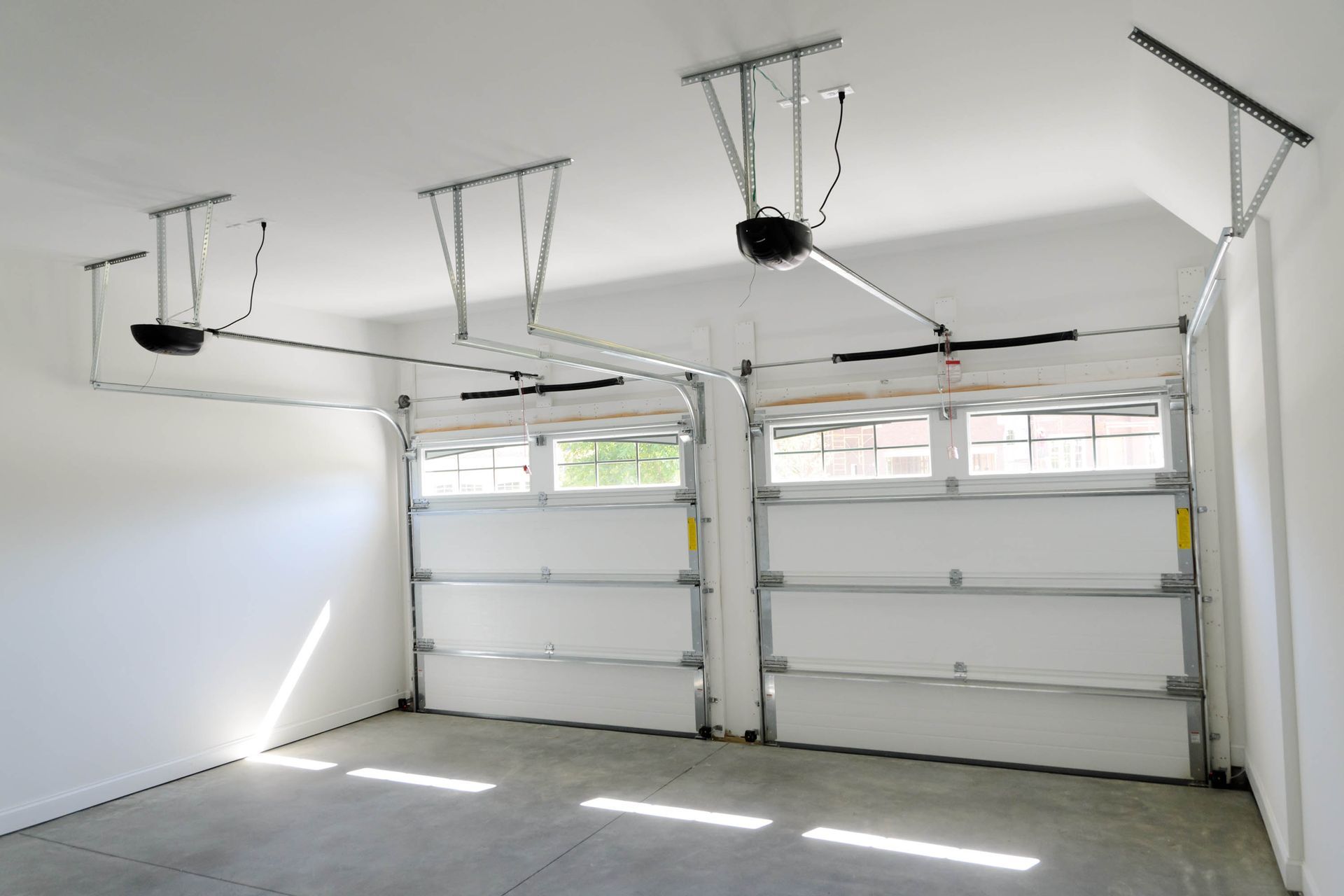
Once the technician arrives, the first major step is usually a full inspection. Even if the homeowner believes the issue is limited to one part, the technician will often examine the entire system to see how all the components are working together. Garage doors rely on springs, rollers, tracks, cables, hinges, sensors, panels, and the opener to function correctly. A problem in one area can place strain on another, which is why a broader inspection is an important part of the visit.
During this stage, the technician may manually test the balance of the door, examine hardware for wear, check alignment, and look for signs of damage or improper tension. This helps identify both the immediate issue and any related concerns that may affect performance. A thorough inspection can reveal problems that may not yet be obvious to the homeowner but could lead to bigger repairs later. This step is one reason professional garage door repair can be so valuable, since it looks beyond the surface problem to evaluate the system as a whole.
Explaining the Problem Clearly
After the inspection, the technician will usually explain what is causing the problem and how it affects the operation of the door. This part of the visit is important because it gives the homeowner a clearer picture of what has gone wrong and what options are available. For example, what seems like a simple opener issue may actually involve worn springs or a door that is no longer properly balanced. A strong service experience includes clear explanations rather than rushed conclusions.
Homeowners should expect to hear which parts are damaged, worn, loose, misaligned, or no longer performing as they should. The technician may also explain whether the issue appears to be the result of age, lack of maintenance, weather exposure, accidental impact, or repeated strain over time. When this explanation is given in straightforward language, it becomes easier to understand the repair process and ask useful questions. A quality garage door repair visit should leave you with a better sense of the system's condition, not more confusion.
Reviewing the Recommended Repair Plan
Once the issue has been identified, the technician will typically outline the recommended repair plan. This may involve replacing broken springs, realigning tracks, repairing cables, adjusting sensors, tightening hardware, or servicing the opener. In some cases, the solution is relatively simple and can be completed during the same visit. In other situations, the technician may explain that a larger repair or part replacement is needed before the door can operate properly again.
This is also the point when cost, timing, and repair priorities are usually discussed. A homeowner may be presented with one immediate fix and additional recommendations for improving the condition of the system. According to Gitnux, 42% of homeowners in the United States plan to upgrade their garage door within the next five years. That makes these conversations especially relevant, since some visits may reveal not only repair needs but also opportunities to improve long-term performance, appearance, or convenience. A professional garage door repair provider should be able to explain the difference between urgent repairs and optional updates.
Completing the Necessary Repair Work
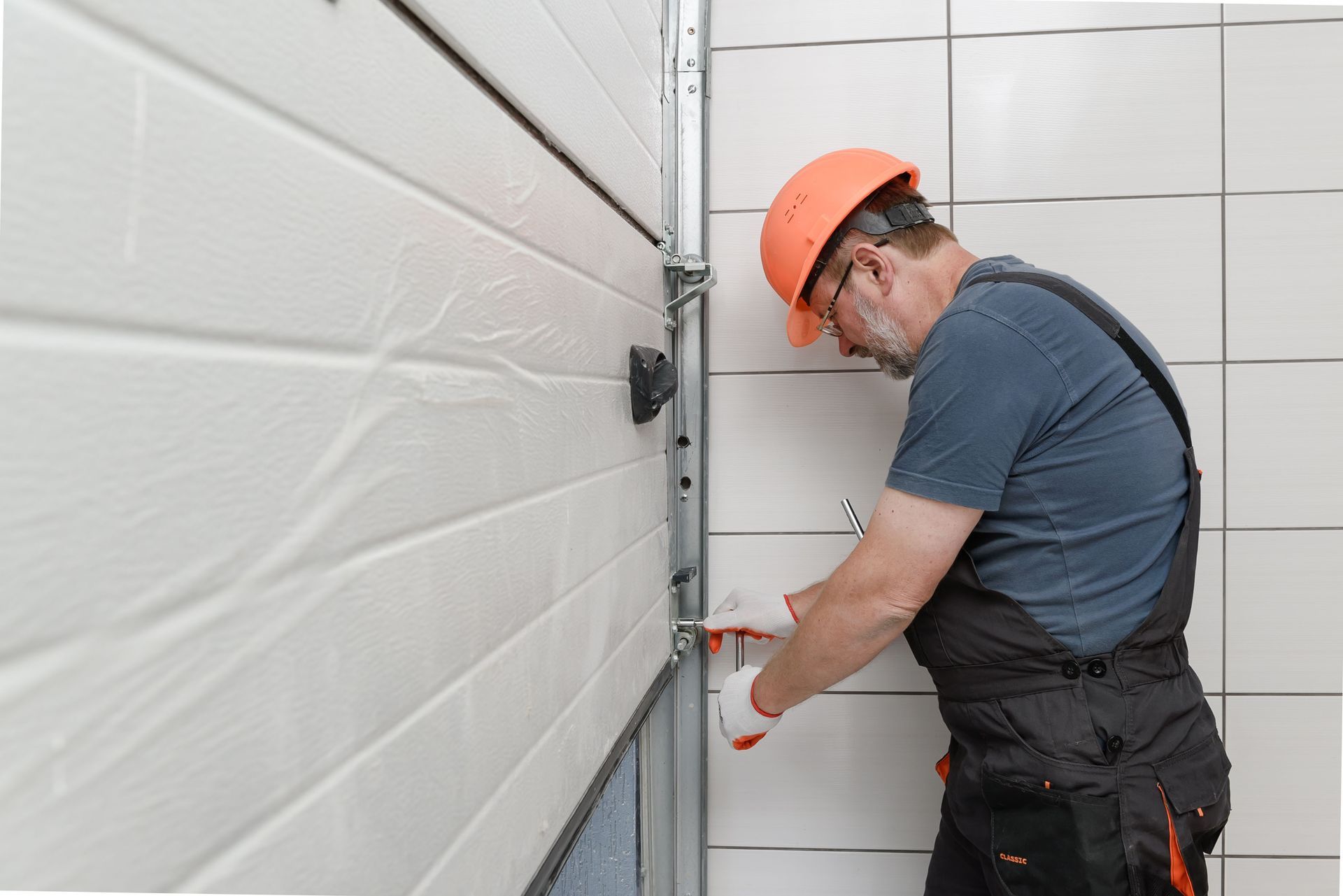
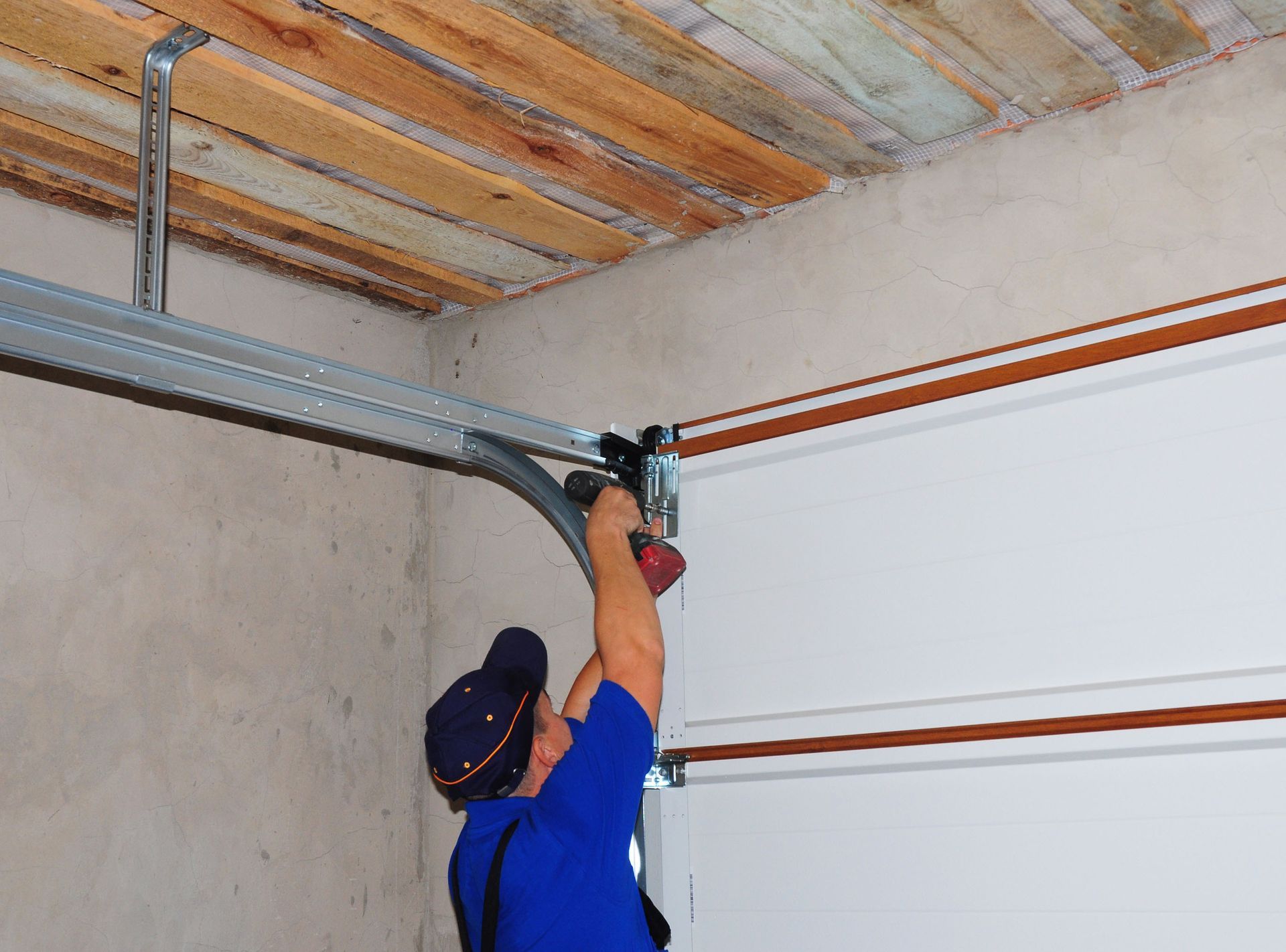
After the homeowner approves the work, the technician will begin the repair itself. Depending on the issue, this may involve removing damaged components, installing replacement parts, making system adjustments, lubricating moving hardware, or reconfiguring opener settings. Professional technicians use specialized tools and follow procedures designed for both safety and precision, especially when dealing with springs and cables that operate under significant tension. For that reason, this is not the kind of work most homeowners should attempt on their own.
During the repair, the technician may pause to update the homeowner if anything unexpected is discovered. For example, once one worn part is removed, a second related problem may become easier to see. In a well-managed garage door repair visit, communication continues throughout the process so there are no surprises about the work being performed. The goal is not only to fix the immediate issue but also to restore smooth and dependable operation in a way that supports the door's ongoing performance.
Testing the Door's Performance
Once the repair is complete, the technician will usually test the system thoroughly to confirm that the door is operating correctly. This may include opening and closing the door multiple times, checking the balance, observing the movement along the tracks, and confirming that the opener and safety sensors respond as they should. This stage helps verify that the repair solved the original problem and that the rest of the system is functioning properly after the service work.
Homeowners may also be invited to observe the testing process, so they can see the difference in performance for themselves. A door that was once jerky, noisy, or unreliable should move more smoothly and predictably after service. If the repair involved safety-related components, the technician may explain how those systems were tested and why they matter. This part of the visit gives homeowners confidence that the garage door repair was completed correctly and that the door is ready for everyday use again.
Discussing the Next Steps
Before leaving, the technician will often go over any maintenance suggestions or future concerns to keep in mind. This might include watching for certain warning signs, scheduling routine service, replacing aging parts before they fail, or keeping tracks and sensors free from debris. These recommendations are helpful because they give homeowners a better sense of how to protect the system and reduce the likelihood of another service issue in the near future.
The final conversation may also include warranty information, expected lifespan for replaced components, and advice on when to call for service again. This is a good time to ask questions about operation, upkeep, or possible upgrades if the system is older. A service visit should leave you with more than a completed repair. It should also give you practical information about how to keep your garage door working more reliably over time. When a garage door repair appointment is handled professionally, the result is a smoother process, clearer expectations, and a door that performs more consistently.
Knowing what to expect during a garage door repair visit can make the process feel far less stressful. From preparing the area and identifying the cause of the problem to completing the repair and reviewing maintenance recommendations, each step plays a role in restoring safe and dependable operation. If your garage door has started showing signs of trouble, do not wait for the issue to become more disruptive. Contact Overhead Doors Unlimited LLC today to schedule professional service and get your garage door back in proper working order.