May 20, 2026
Garage doors are a significant component of your home, offering security, convenience, and curb appeal. Proper planning before garage door installation can help homeowners choose a door that fits their budget, style, and long-term performance needs.
1. Garage Door Style Options
Different garage door styles offer different benefits, so homeowners should compare function, appearance, space requirements, and maintenance needs before making a decision. Sectional doors are one of the most common choices because they open vertically and rest along the ceiling, making them practical for many residential properties.
Roll-up doors are another option, especially for garages with limited ceiling or driveway space. They use narrow horizontal slats that coil above the opening, which creates a compact and secure design. Slide-to-the-side doors can also work well when overhead space is needed for storage, lighting, or other garage features.
2. Traditional and Specialty Door Designs
Side-hinged garage doors provide a classic appearance and open outward like large double doors. They are especially useful for homeowners who enter the garage frequently without needing to raise the full door. Tilt-up doors provide a smooth, single-panel look, but they require enough driveway clearance to open safely.
Each style has unique benefits, which is why garage door installation should begin with accurate measurements and a clear understanding of how the garage is used. A door that looks attractive but does not fit the space properly can create problems with operation, safety, and everyday convenience.
3. Garage Door Material Choices
Material selection plays an important role in durability, appearance, insulation, and maintenance. Steel garage doors are popular because they are strong, secure, and available in many styles. They can also be insulated, painted, textured, or designed to resemble wood without requiring the same level of upkeep.
Wood garage doors offer a warm and traditional appearance that works well with many home designs. However, wood requires more maintenance because it may need sealing, staining, or painting to protect it from moisture and weather damage. Aluminum doors are lightweight and resistant to rust, making them a practical option for certain climates.
4. Fiberglass and Vinyl Benefits
Fiberglass garage doors can mimic wood while resisting dents, moisture, and corrosion. This makes them appealing for homeowners who want a decorative look with less maintenance. Vinyl doors are also low-maintenance and can resist dents, rust, and warping when properly selected for the climate.
Choosing the right material before garage door installation can reduce future repair needs and help the door perform well over time. Homeowners should consider local weather, sun exposure, garage use, and the level of maintenance they are willing to manage.
5. Insulation and Energy Efficiency
Insulated garage doors can improve comfort, especially when the garage is attached to the home or used as a workshop, laundry space, storage area, or hobby room. Insulation helps reduce heat transfer, which can make the garage more comfortable during hot summers and cold winters.
Insulation can also reduce outside noise and strengthen the overall door structure. During garage door installation, homeowners should ask about insulation ratings, panel construction, and weather seals. These details can make a noticeable difference in energy efficiency and daily comfort.
6. Safety and Hardware Considerations
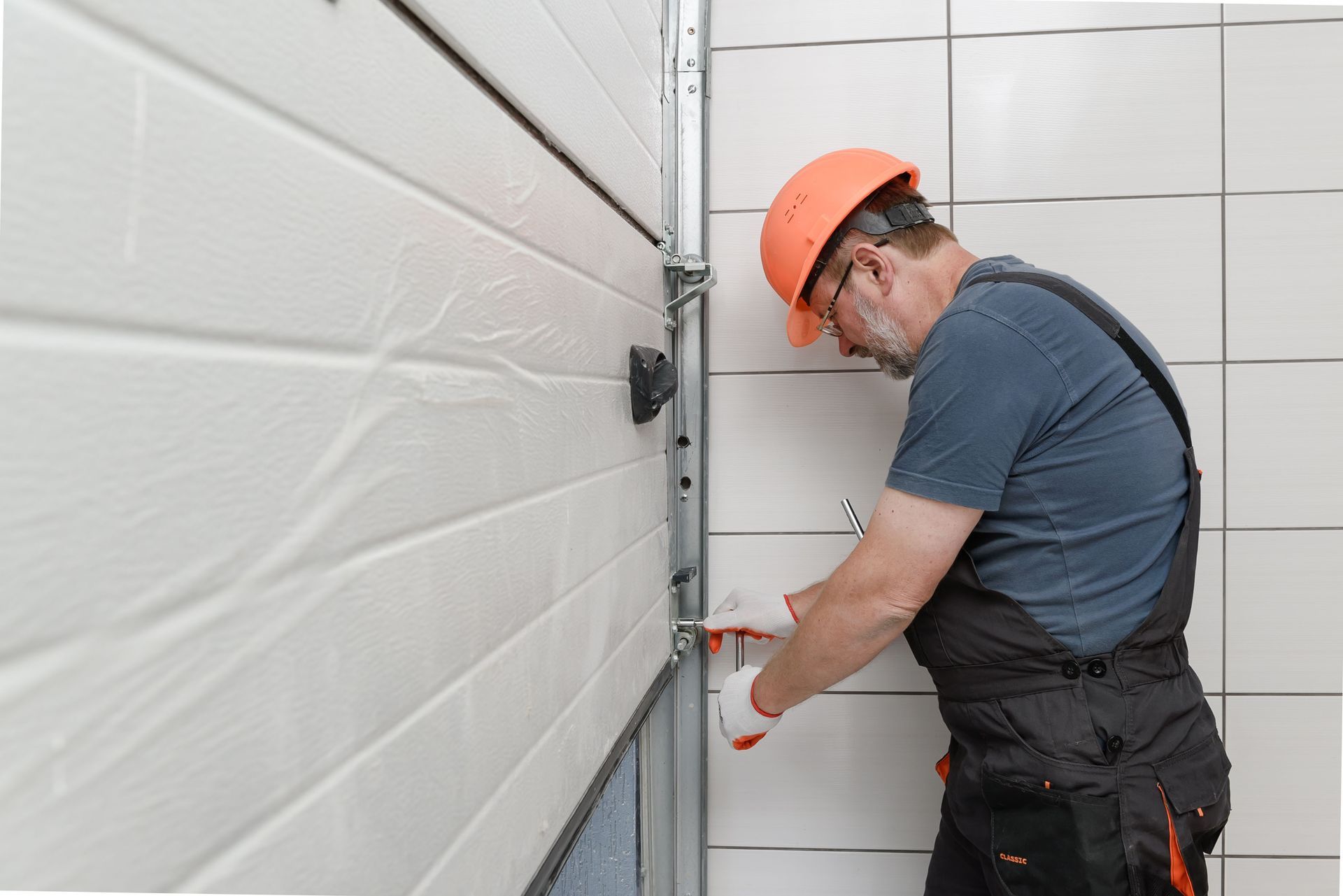
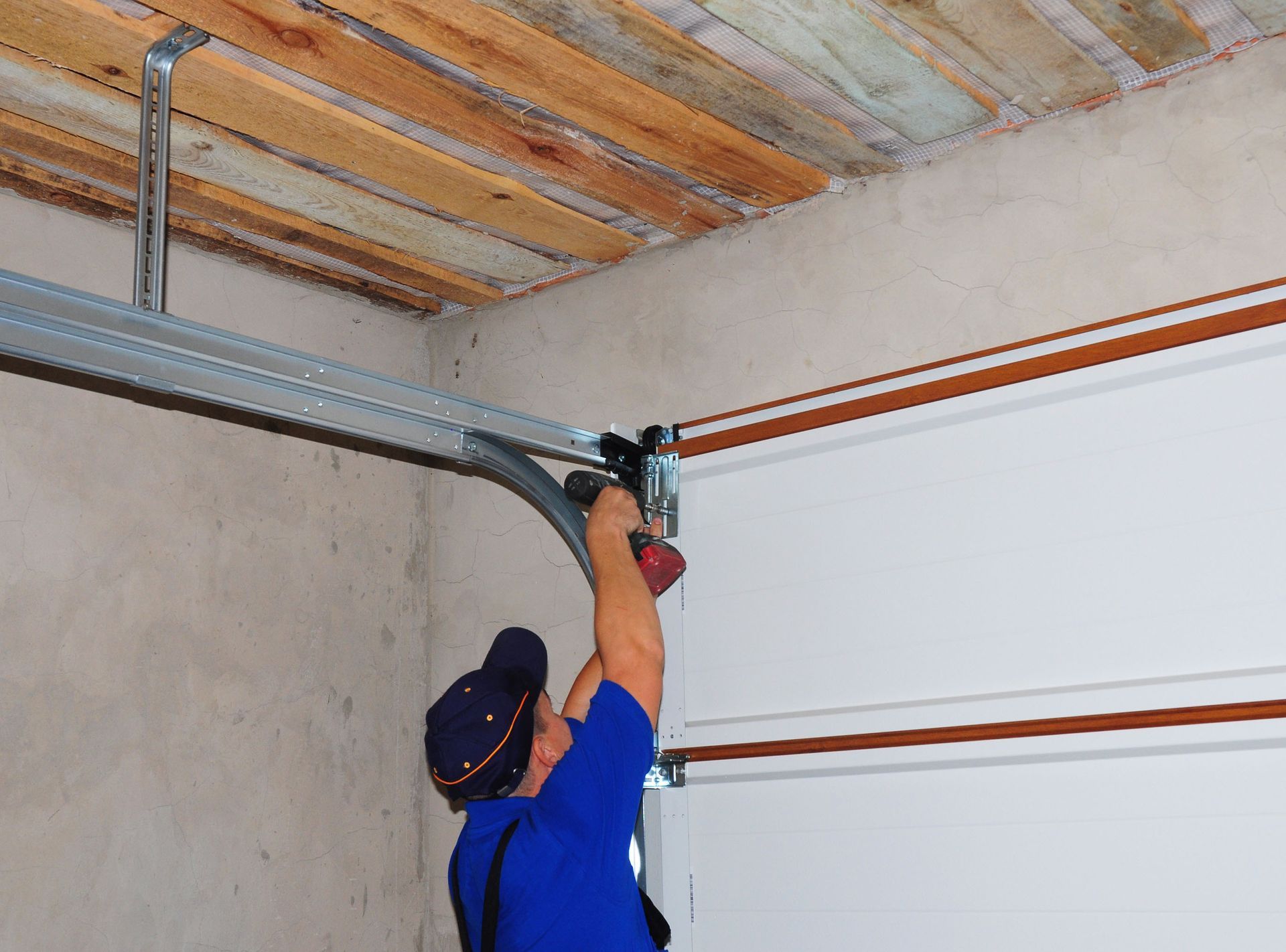
A garage door is a heavy moving system, so safety should always be a priority. Springs, cables, rollers, tracks, brackets, and openers must work together correctly to support smooth operation. Poorly installed hardware can lead to noisy movement, uneven lifting, or potential hazards.
Modern garage doors often include safety features such as auto-reverse sensors, secure opener systems, and reinforced panels. Professional garage door installation helps make sure these features are aligned, tested, and working as intended before the door is used regularly.
7. Garage Door Openers and Smart Features
Garage door openers add convenience and security, especially for busy households. Homeowners can choose chain-drive, belt-drive, screw-drive, or wall-mounted opener systems depending on noise preference, budget, and garage layout. Belt-drive openers are often quieter, while chain-drive systems are known for strength.
Smart garage door features allow homeowners to monitor and control the door from a phone or connected device. These systems may send alerts when the door is opened or left open, which can improve peace of mind. Adding these features during garage door installation can be more convenient than upgrading later.
8. Measurements and Professional Planning
Accurate measurements are essential before choosing a garage door. Width, height, side room, headroom, backroom, track placement, and opener clearance all affect the final fit. Even a small measurement error can lead to operational problems or added project costs.
Homeowners should also consider whether the garage has unusual framing, low ceilings, sloped floors, or storage systems that could interfere with the door. Careful planning before garage door installation helps prevent delays and supports a smoother final result.
9. Curb Appeal and Home Value
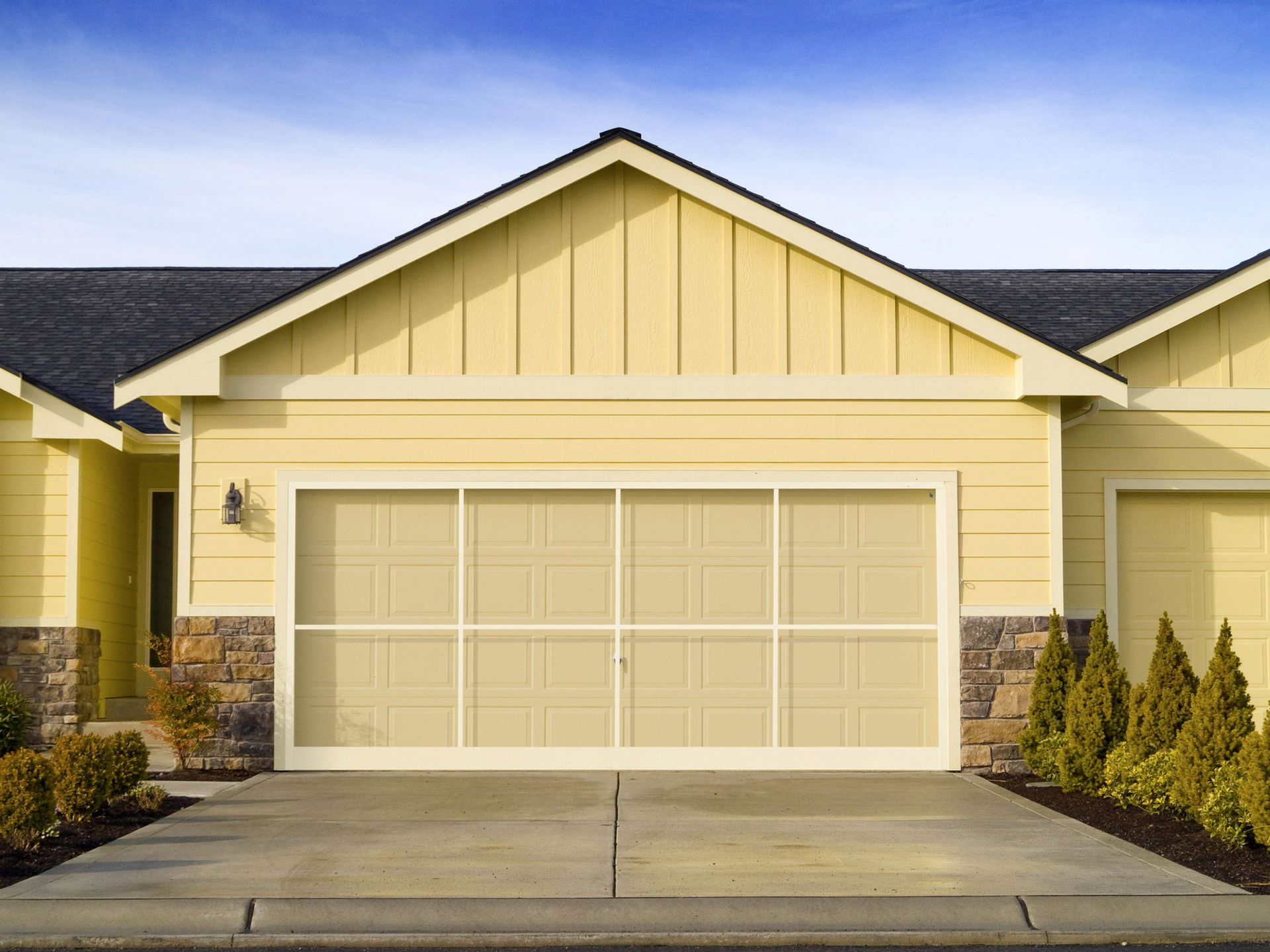
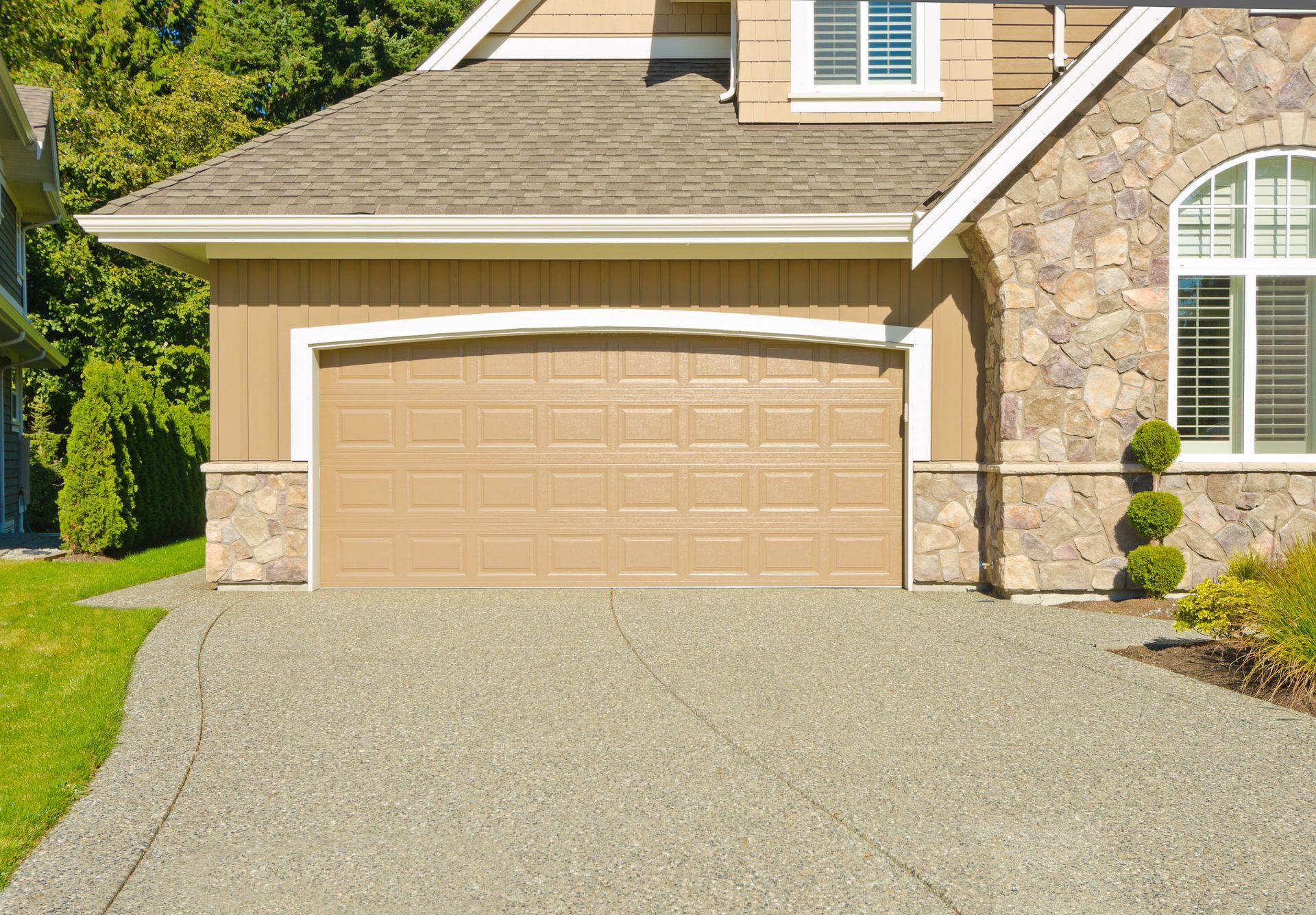
A garage door can take up a large portion of a home’s front exterior, so its design has a major impact on curb appeal. Color, panel style, windows, decorative hardware, and material texture should complement the rest of the property.
A new door can make a home look cleaner, newer, and more visually balanced. Homeowners preparing for garage door installation should compare samples and design options in daylight when possible, since colors and textures can look different depending on lighting and surrounding materials.
10. Maintenance and Long-Term Performance
After installation, regular maintenance helps the garage door remain safe and dependable. Homeowners should inspect weather seals, listen for unusual noises, clean tracks, check rollers, and schedule service if the door begins moving unevenly. Lubrication of moving parts can also reduce strain on the system.
Proper maintenance protects the investment and helps extend the life of the door. According to Realtor.com, with proper maintenance, a garage door should last about 10 to 20 years. A well-planned garage door installation gives homeowners a strong starting point, but ongoing care is what keeps the system operating smoothly year after year.
11. Final Installation Preparation
Before the project begins, homeowners should clear the garage area, move vehicles, remove stored items near the opening, and confirm access to electrical outlets if an opener is being installed. This helps the project move efficiently and reduces the chance of damage to belongings.
12. Weather Resistance and Climate Planning
Climate conditions can affect how well a garage door performs over time, so homeowners should consider local weather before selecting materials and insulation levels. Areas with heavy rain, strong sunlight, snow, or high humidity may require stronger weather seals and more durable finishes. Steel and insulated composite doors often provide better resistance against temperature changes and moisture exposure, while some materials may expand, fade, or warp if not properly maintained.
Wind-rated doors may also be important in areas that experience severe storms or strong seasonal weather. Reinforced tracks, heavier-duty hardware, and impact-resistant panels can help improve structural performance during extreme conditions. Preparing for weather-related challenges before garage door installation can help reduce future maintenance concerns and improve long-term reliability.
13. Noise Reduction and Daily Convenience
Many homeowners overlook how much sound a garage door system can produce during daily use. Older doors or low-quality hardware may create rattling, grinding, or vibrating noises that become disruptive over time. Choosing quieter rollers, insulated panels, and belt-drive openers can help create smoother and quieter operation, especially when bedrooms or living spaces are located above or near the garage.
By understanding door styles, materials, insulation, openers, safety features, and maintenance needs, homeowners can make a confident decision. Careful planning ensures the new garage door supports security, convenience, energy efficiency, and curb appeal for the long term. Contact Overhead Doors Unlimited LLC today and learn more about our garage door services.